
A comfortable home depends on more than temperature settings and attractive interiors. Indoor air quality, ventilation, appliance maintenance, moisture control, and regular cleaning all contribute to a safer and more pleasant living environment. Small maintenance issues can become bigger problems when they are ignored, particularly in areas where air moves through ducts, vents, and exhaust systems every day.
Homeowners can improve both comfort and safety by creating a practical maintenance routine. This includes keeping ventilation pathways clear, checking appliances, reducing dust buildup, controlling humidity, and addressing warning signs before they become costly repairs.
Keep Airflow Systems Clean and Clear
Airflow plays an important role in maintaining indoor comfort. Heating and cooling systems circulate air through the property, while exhaust systems remove moisture, heat, and airborne particles from specific areas. When these pathways become restricted by dust or debris, the equipment may need to work harder to maintain the desired conditions.
Restricted airflow can also make certain rooms feel warmer or cooler than others. Regular inspection of vents and accessible ductwork can help identify visible dust accumulation, obstructions, or other problems that may affect circulation.
Pay Attention to the Dryer Vent
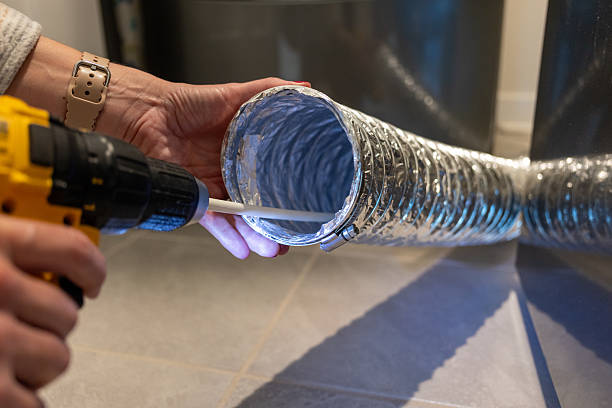
The dryer vent is an often-overlooked part of home maintenance. Every drying cycle produces lint, and some of that material can move beyond the dryer’s lint filter into the exhaust pathway. Over time, accumulation can restrict airflow and make the appliance work less efficiently.
Homeowners arranging dryer vent cleaning in Euless can have the vent pathway checked and cleaned when buildup becomes a concern. Regular attention is particularly useful when clothes take longer than usual to dry, the dryer feels unusually hot, or the vent area shows signs of restricted airflow.
Keeping the exhaust pathway clear also helps the dryer release warm, moist air properly instead of allowing it to remain inside the appliance or laundry area.
Watch for Changes in Drying Performance
Changes in appliance performance can provide useful early warnings. If a normal load suddenly takes much longer to dry, the issue may not always be the dryer itself. A blocked or restricted exhaust route can reduce the amount of air leaving the machine.
Other signs can include excessive heat around the dryer, unusual smells, or a laundry area that becomes noticeably humid during operation. These symptoms should not be ignored because continued restricted airflow can place additional strain on the appliance.
Reduce Dust and Indoor Pollutants
Dust enters homes through open doors, windows, clothing, pets, and normal household activity. Some particles also circulate through the heating and cooling system. Regular cleaning of floors, furniture, vents, and other accessible surfaces helps reduce the amount of material available to become airborne.
Vacuuming with appropriate filtration and washing washable fabrics regularly can also help maintain a cleaner indoor environment. Air filters should be checked according to the manufacturer’s recommendations and replaced or cleaned when required.
Control Indoor Moisture
Humidity affects both comfort and the condition of the home. Excess moisture can contribute to condensation, unpleasant odours, and conditions that support mould growth. Bathrooms, kitchens, laundry rooms, and poorly ventilated spaces deserve particular attention.
Exhaust fans should be used when showering or cooking so moisture can leave the property rather than settling on walls and ceilings. Leaks around plumbing, roofs, windows, and appliances should also be addressed promptly.
Maintain Kitchen and Bathroom Ventilation
Kitchen and bathroom exhaust systems have specific jobs. Cooking produces heat, steam, grease, and airborne particles, while bathrooms generate significant moisture. If exhaust fans are dirty or their ventilation routes are restricted, they may not remove these by-products effectively.
Keeping fan covers clean and checking for unusual changes in airflow can help homeowners identify problems earlier. Ventilation should move air outside where the system is designed to do so rather than simply shifting moisture into another part of the property.
Schedule Regular Home Inspections
A simple inspection routine can prevent small maintenance issues from being overlooked. Homeowners can periodically check accessible vents, appliance connections, filters, exhaust fans, and areas where moisture tends to collect.
Professional inspections may be appropriate when there are signs of significant buildup, persistent airflow problems, unusual odours, or equipment performance changes. Professionals can identify issues that are difficult to see from the outside and recommend cleaning or repairs based on the condition of the system.
Make Maintenance Part of Everyday Home Safety
Home safety is often the result of many small habits rather than one major action. Cleaning ventilation pathways, maintaining appliances, controlling humidity, replacing filters, and responding to unusual changes in performance can all contribute to a healthier and more comfortable living space.
A consistent maintenance schedule also makes problems easier to identify because homeowners become familiar with how their systems normally operate. When something changes, such as slower drying, weaker airflow, excess moisture, or unusual smells, it becomes easier to recognise that further investigation may be needed.
Final Thoughts
Better indoor comfort and home safety begin with attention to the systems that operate quietly every day. Dryer vents, exhaust fans, air filters, ductwork, and ventilation pathways all influence how efficiently a home handles heat, moisture, dust, and airflow.
By combining routine cleaning with timely inspections and sensible maintenance, homeowners can reduce avoidable problems and keep essential household systems working as intended. A clean and properly maintained ventilation environment supports both everyday comfort and a safer home.