
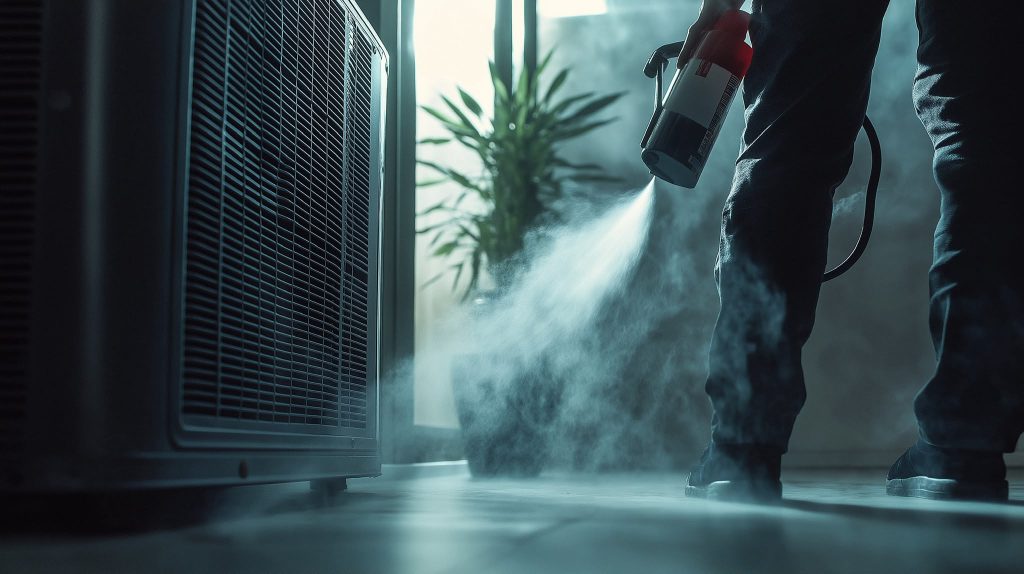
For millions of people living with chronic seasonal sensitivities, home should be a safe sanctuary from environmental triggers. However, when microscopic allergens accumulate inside central ventilation networks, indoor environments can exacerbate sneezing, congestion, and itchy eyes. Investing in specialized allergy relief air ducts services eliminates trapped pollen, dust mite waste, and animal dander from your central heating and cooling infrastructure. Clearing these persistent irritants out of air distribution pathways stops your central HVAC system from continuously blowing triggers into living areas.
Central ventilation systems act as the lungs of a home, continuously pulling indoor air through return vents and pushing conditioned air into bedrooms and living spaces. Over months of operation, airborne particles settle along duct walls, creating dense layers of particulate matter. Every time the thermostat calls for heat or air conditioning, the fan blower picks up these micro-allergens and redistributes them across every room, causing continuous physical discomfort.
The Connection Between Duct Contaminants and Allergy Symptoms
Indoor air often contains higher concentrations of allergens than outdoor air because enclosed spaces trap contaminants. Understanding what resides inside air vents helps explain why respiratory symptoms persist year-round.
Primary Allergens Hidden in Air Ducts
- Dust Mite Debris: Microscopic fecal pellets and decaying body fragments from dust mites settle in return ductwork and trigger intense sneezing fits.
- Pollen Particles: Microscopic plant spores brought inside on clothing and shoes get drawn into return vents and settle along duct walls.
- Pet Dander: Lightweight animal skin proteins float through the air, embedding deeply into duct insulation and supply branches.
- Mold and Fungi: Condensation near cooling coils creates damp microclimates that encourage mold spore reproduction inside dark duct runs.
Key Takeaway: Dirty air ducts store environmental triggers and recirculate them continuously. Removing these accumulated particulates halts the endless cycle of indoor allergen distribution.
3 Ways Allergy Relief Air Ducts Improve Respiratory Health
Clearing physical obstructions and biological growth from your ventilation network delivers immediate relief to sensitive household members. Removing internal buildup allows your HVAC system to provide clean, filtered air across all zones.
| Environmental Marker | Unmaintained Ventilation System | Cleaned & Sanitized Air Ducts |
|---|---|---|
| Allergen Recirculation | High volume during every fan cycle | Minimal to zero airborne particulate load |
| Mite & Mold Presence | Active breeding ground in dark spaces | Eradicated via mechanical agitation & fogging |
| Air Filtration Efficiency | Rapid filter clogging due to heavy dust | Optimal filter capture rate & consistent airflow |
| Indoor Odors | Musty, stale, or organic odors | Fresh, neutral, and clean indoor air |
| Allergy Flare-Ups | Frequent coughing, congestion, and eye strain | Noticeable reduction in daily respiratory triggers |
1. Halting the Recirculation of Micro-Triggers
When dust and dander coat interior duct linings, standard room air purifiers cannot keep up with the volume of pollution. Professional duct cleaning removes the core reservoir of allergens, ensuring that air passing through supply registers remains clean and fresh.
2. Eliminating Mold and Fungal Colonies
Cooling coils and drain pans collect condensation during hot summer months, creating high humidity inside adjacent air channels. Deep sanitization targets these damp zones to destroy active mold colonies before they can release airborne spores into bedrooms and nurseries:
- Destruction of Spore Reserves: Specialized EPA-registered antimicrobials neutralize active fungal growth on duct surfaces.
- Prevention of Fungal Drift: Clean duct surfaces stop microscopic mold fragments from drifting into living spaces.
- Elimination of Musty Odors: Neutralizing mold and bacteria destroys the root cause of stale ventilation smells.
3. Restoring HVAC Air Filtration Performance
Heavy dust loads inside duct channels cause furnace filters to clog prematurely, lowering overall airflow and forcing dirty air around filter frames. Maintaining clean duct pathways allows high-efficiency MERV filters to capture fine particles without restricting system airflow.
Essential Steps for Creating an Allergen-Safe Home
Achieving lasting indoor environmental relief requires pairing professional duct hygiene with smart household habits.
- Schedule a Professional Duct Inspection: Have certified technicians inspect internal duct pathways for dust accumulations, leaks, and moisture buildup.
- Install MERV 11 to 13 HVAC Filters: Upgrade to high-efficiency pleated filters designed to capture fine pet dander, pollen, and dust mite waste.
- Maintain Indoor Humidity Below 50%: Use dehumidifiers or central air conditioning to keep relative humidity low, stopping mold growth and dust mite reproduction.
- Clean Vents and Registers Monthly: Vacuum supply and return grilles using a damp microfiber cloth or brush attachment to keep dust from entering duct inlets.
Pro Tip: Combine professional duct cleaning with quarterly air filter replacements. Clean air channels paired with a high-MERV filter create an effective defense against airborne triggers.
Long-Term Health and Lifestyle Dividends
Investing in clean ventilation infrastructure provides benefits that go beyond basic dust removal. Eliminating airborne irritants transforms your living environment into a restorative sanctuary.
Clear indoor air promotes deeper, uninterrupted sleep by reducing nighttime nasal congestion, throat dryness, and coughing fits. Allergy sufferers experience fewer morning headaches and less eye irritation, leading to improved energy levels and productivity throughout the day.
Additionally, keeping duct lines free of heavy dust lowers household maintenance demands. With fewer particulates blowing out of air vents, furniture, shelving, and electronics stay dust-free longer, saving time on daily cleaning tasks.
Take Control of Your Indoor Air Quality Today
Living with chronic environmental allergies does not mean settling for constant discomfort in your own home. By eliminating trapped pollen, pet dander, dust mites, and mold from your central ventilation network, you break the cycle of allergen recirculation and protect your respiratory health. Take a proactive step toward long-term comfort today by scheduling a professional duct evaluation to ensure your heating and cooling system delivers clean, safe, and fresh air for your entire family.