
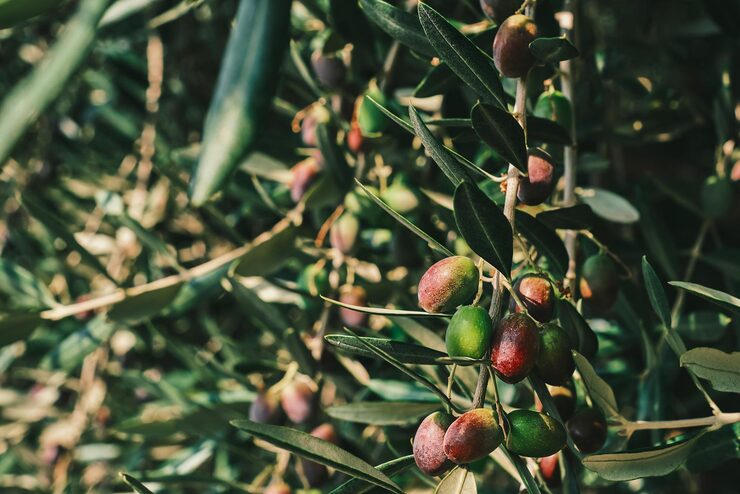
There’s something quietly aspirational about the idea of a backyard olive garden — silvery leaves catching the light, the promise of homegrown olives, a small taste of Mediterranean life regardless of where you actually live. The good news is that olive trees are considerably more adaptable than their reputation suggests, and a home olive garden is genuinely achievable for far more climates than people assume.
Understanding What Olive Trees Actually Need
Olive trees thrive in conditions that mimic their Mediterranean origins: full sun (at least 6 to 8 hours daily), well-draining soil, and a climate with relatively mild, dry winters. They’re remarkably drought-tolerant once established, which makes them a genuinely low-maintenance choice for the right climate — but they don’t tolerate prolonged freezing temperatures well, generally struggling below around 15°F for extended periods.
If you live somewhere with harsh winters, this doesn’t necessarily rule out growing olives — many gardeners in cooler climates successfully grow dwarf or container varieties that can be moved indoors or into a sheltered space during the coldest months.
Choosing the Right Variety for Your Space
Not all olive varieties are created equal for home growing. Arbequina is widely considered one of the best choices for beginners and smaller spaces — it’s self-pollinating, tends to fruit earlier than many other varieties, and adapts well to container growing if your yard space or climate requires it. Mission and Manzanillo are other commonly available varieties, both prized for fruit quality, though they generally need more space to reach their full potential.
For anyone in a non-Mediterranean climate, container growing is genuinely the most practical path — it lets you control soil drainage precisely and move the tree to shelter during temperature extremes, while still producing a genuinely attractive ornamental tree even before any fruit appears.
Planting and Early Care
Plant in well-draining soil — amending heavy clay soil with sand or perlite if necessary, since olive trees are notably intolerant of waterlogged roots. Water consistently during the first one to two years while the root system establishes, then taper to occasional deep watering once the tree matures, since overwatering an established olive tree causes far more problems than underwatering.
Pruning for Health and Fruit Production
Olive trees benefit from pruning that opens up the canopy to let light reach the interior branches, which directly improves fruit production. The general approach is to remove crossing or crowded branches and any growth from the base of the trunk, generally done in late winter or early spring before new growth begins.
Realistic Expectations on Fruit
Most home-grown olive trees take three to five years before producing a meaningful fruit harvest, and trees grown from seed rather than purchased as established saplings can take considerably longer. If homegrown olives are the primary goal rather than simply an attractive Mediterranean-style tree, starting with a grafted, nursery-grown sapling rather than seed will get you to harvest far faster.
Even before any fruit arrives, an olive tree’s silvery foliage and characteristically gnarled, sculptural trunk make it a genuinely beautiful addition to a garden — patience with the fruit is rewarded, but the tree itself earns its place from year one.