
Every experienced gardener you’ll ever meet started exactly where you are now: standing in a yard or on a balcony, holding a packet of seeds, with absolutely no idea what happens next. The good news is that gardening rewards starting small far more than it rewards starting ambitious.
Start With the Space You Actually Have
Before buying a single plant, observe your space honestly. How many hours of direct sunlight does it actually receive? Most vegetables and flowering plants need 6 or more hours of direct sun to thrive; if your space gets less, you’ll have far better success with shade-tolerant options like leafy greens, ferns, and certain herbs rather than fighting the conditions you have.
Check your soil too, even roughly. If you can dig a small hole easily and it doesn’t pool with water for hours afterward, drainage is probably fine. If water sits for a long time, you’ll either need raised beds or soil amendments before planting anything in the ground.
Choose Plants That Forgive Beginner Mistakes
Certain plants are simply more tolerant of inconsistent watering, imperfect soil, and general beginner uncertainty. Herbs like mint, rosemary, and basil are famously forgiving and useful immediately in the kitchen. Marigolds and zinnias are nearly impossible to kill and reward you with color within weeks. Tomatoes and peppers, while slightly more demanding, are the classic beginner vegetable choice because the payoff — actual food — makes the learning curve feel worthwhile.
Avoid starting with plants known for being finicky, like many orchids or particularly disease-prone roses, until you’ve built confidence with more forgiving species first.
Raised Beds or Containers Solve Most Beginner Problems
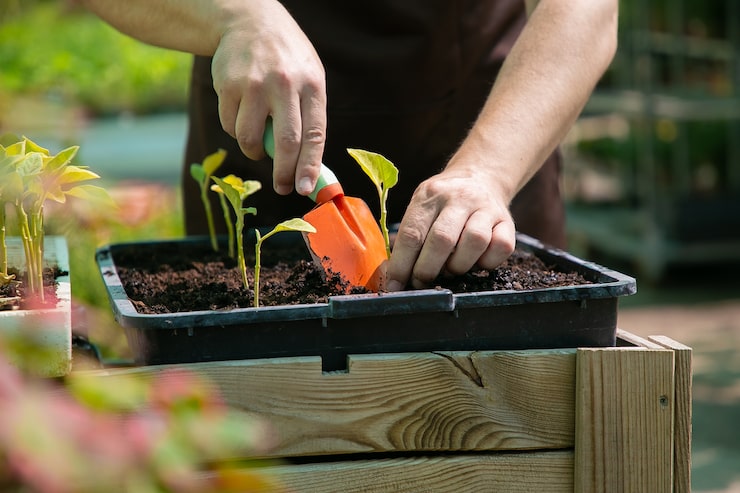
If your native soil is poor, compacted, or unknown, raised beds or large containers let you start with quality soil from day one rather than fighting whatever is already in the ground. They also make weeding, watering, and general access considerably easier, which matters enormously for sticking with the habit during your first season.
Water Less Often, But More Thoroughly
The most common beginner mistake is light, frequent watering that wets only the surface and encourages shallow, weak root systems. Watering more deeply but less frequently — letting the top inch or two of soil dry between waterings for most established plants — encourages roots to grow downward, which produces hardier, more drought-resilient plants over time.
Expect Some Failure, and Don’t Let It Stop You
Plants will die. Pests will show up. A late frost might wipe out something you were excited about. This happens to every gardener, every season, regardless of experience level. The gardeners who end up genuinely good at it aren’t the ones who never lose a plant — they’re the ones who treat each failure as information about what their specific space needs, and try again with that knowledge.
The Best First Step
Pick three plants. Not ten, not thirty — three. Learn their specific needs well, watch how they respond to your particular conditions over a full season, and let that experience teach you what your garden actually wants before expanding further next year.