
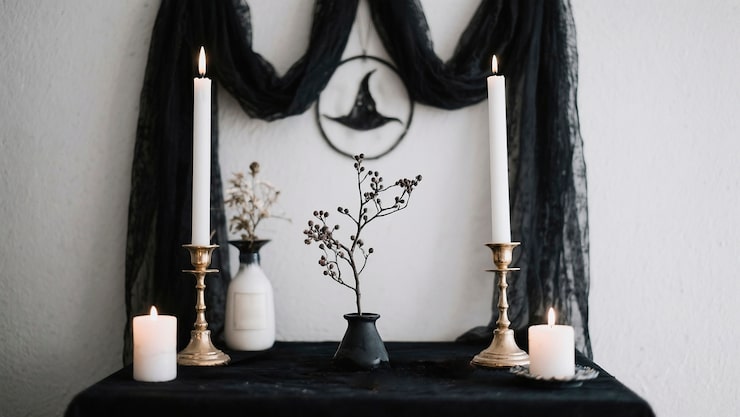
In this edition of Home Decor by Brittany, we’re talking about a style that doesn’t get nearly enough credit for how livable it actually is: gothic home decor. Mention “gothic” and most people picture a haunted mansion. But the real aesthetic — applied thoughtfully to an actual lived-in home — is moody, dramatic, and genuinely beautiful rather than theatrical.
Understanding What Gothic Decor Actually Means
Gothic interior style draws from Victorian-era architecture, medieval-inspired details, and a generally romantic embrace of darkness and drama. Think rich, deep color palettes, ornate detailing, dramatic lighting, and a willingness to embrace shadows rather than chasing the bright, airy aesthetic that dominates so much of modern decorating advice.
Done well, it reads as confident and intentional rather than costume-like. The key, as with most strong aesthetics, is restraint applied to the right details rather than maximalist commitment to every gothic trope simultaneously.
Start With Color, Not Furniture
The fastest way into gothic decor is through wall color. Deep, saturated tones — black, oxblood, forest green, deep plum, charcoal — create the moody foundation the entire style depends on. A single room painted in a dramatic dark color, rather than the whole home, lets you commit fully without it overwhelming your entire living space.
Contrary to common assumption, dark walls don’t automatically make a room feel smaller or more closed in — paired with good lighting and some lighter accent textures, they can feel surprisingly cozy and enveloping rather than cramped.
Lighting Does Heavy Lifting in This Aesthetic
Gothic decor relies heavily on dramatic, layered lighting rather than flat overhead brightness. Candles (real or flameless), wall sconces, and statement chandeliers with an antique or wrought-iron aesthetic create the kind of shifting, atmospheric light that defines the look. Avoid harsh, even overhead lighting entirely if possible — it works directly against the mood this style depends on.
Texture and Material Choices
Velvet upholstery, dark wood furniture with ornate detailing, wrought iron accents, and aged or distressed metal finishes all reinforce the gothic aesthetic without requiring a full furniture overhaul. Vintage and antique store finds work particularly well here, since genuine age and patina suit this style far better than anything that looks too new or mass-produced.
Where to Apply It (And Where to Hold Back)
Bedrooms and dining rooms tend to suit gothic decor especially well — both are spaces associated with intimacy and drama rather than bright, functional energy. Kitchens and children’s spaces generally work better with a lighter touch, even if you want to nod to the aesthetic with smaller accent details like dark hardware or a single statement light fixture.
The Most Common Mistake
The biggest gothic decor misstep is going so dark and dense that a room loses any sense of breathing room. Even committed gothic interiors need a few lighter elements — a pale stone accent, aged brass rather than only black iron, a single lighter textile — to keep the eye moving and prevent the space from feeling oppressive rather than atmospheric.