
Many property owners assume that plumbing functions identically across residential and commercial settings. However, while the basic aspect such as water supply and wastewater removal remains the same, the design, capacity, maintenance protocols, and code requirements differ significantly. Understanding these distinctions can prevent costly downtime, unexpected expenses, and operational disruptions.
If you own a business, manage a facility, or run a multi-unit property, this breakdown will help you make informed decisions when plumbing issues arise.
1. Commercial Systems Handle a Lot More
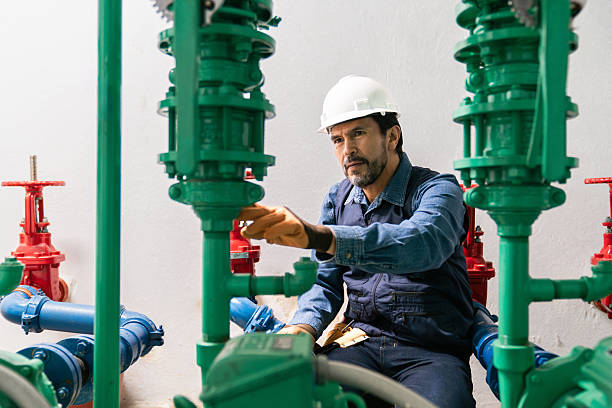
Commercial buildings experience significantly heavier usage than residential properties. Restaurants, offices, schools and healthcare facilities run water constantly throughout the day. This means bigger pipes, higher-capacity water heaters, tougher fixtures, and more complicated drainage setups.
A single-family residence typically contains a limited number of fixtures. A commercial building often has multiple restrooms, kitchens, and break areas, all running at once. A failure in these systems does not merely inconvenience one household; it can halt operations, impact employees, and disrupt customer service.
This is exactly why property owners turn to an experienced commercial plumbing contractor in Gretna, NE, for installations and repairs.
2. Maintenance Takes More Work
Residential plumbing maintenance is typically reactive; homeowners or technicians address leaks, clear clogs, or inspect water heaters only when issues become apparent.
Commercial plumbing calls for a different mindset. Regular inspections catch small problems before they turn into big ones. This typically means drain cleaning, backflow testing, grease interceptor service for restaurants, valve checks, and routine performance reviews.
Businesses cannot afford a surprise shutdown. A clogged sewer line or a dead water heater doesn’t just cause an inconvenience; it can shut down operations and create real safety concerns. Staying ahead of maintenance cuts down on emergency calls and helps equipment last longer.
3. Stricter Codes Apply
Every plumbing system must meet local codes, but commercial properties are subject to a more rigorous regulatory framework. Depending on the building’s intended purpose, installations may need to comply with plumbing codes, health regulations, accessibility standards, and safety requirements that extend far beyond residential specifications.
A contractor with regular commercial experience understands these requirements thoroughly. This expertise ensures project continuity and helps prevent costly delays during inspections or renovations.
4. It Requires Different Equipment and Expertise
Commercial jobs often involve equipment most residential plumbers rarely touch. These include large water heaters, industrial piping, booster pumps, and commercial-grade fixtures. Diagnosing issues is also more complex; a visible leak may manifest far from the source of the actual problem, making root-cause analysis highly dependent on experience.
This is the value a qualified commercial plumbing contractor in Gretna, NE, brings to the table. They have specialized tools, training, and experience in the area. They can work safely on larger and more complicated systems.
5. Selecting the Right Plumbing Partner
Not every plumbing agency or plumber is capable of handling commercial work. So, raising the right questions is imperative.
·Do they have experience with facilities like yours?
·Do they offer preventive maintenance plans?
·Are they licensed, insured, and familiar with local codes?
A good commercial team does not merely address immediate failures; they provide strategic solutions to keep your system reliable for years.
Bottom Line
Residential and commercial plumbing share the same basics, but this is where the similarities end. Commercial properties need bigger systems, specialized equipment, stricter code compliance, and steady maintenance to keep things running.
Partnering with a trusted commercial plumbing contractor in Gretna, NE, minimizes unexpected failures and provides long-term confidence in your facility’s infrastructure.