
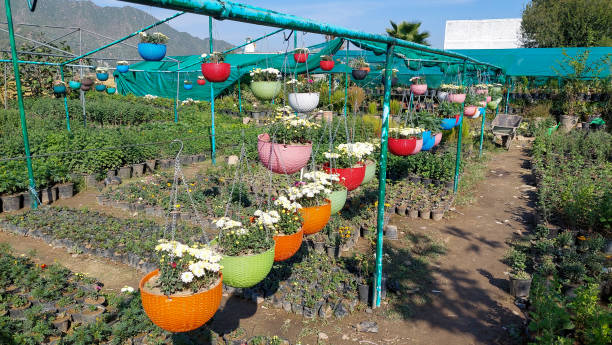
Creating a healthy and attractive landscape starts with choosing plants that can adapt to your local growing conditions. In Appleton, Wisconsin, changing seasons, cold winters, and varying soil conditions make plant selection especially important. A reliable local nursery can help you find suitable trees, shrubs, flowers, and other plants while giving you practical guidance for maintaining them throughout the year.
When searching for a nursery in Appleton, WI, consider more than the number of plants available. The right nursery should offer plants suited to the local climate and provide useful information about sunlight, soil, watering, spacing, and seasonal care. These details can make a significant difference in how successfully your plants establish and grow after they are placed in your landscape.
Why Local Plant Selection Matters
Appleton landscapes experience warm summers followed by freezing temperatures and snow during winter. Appleton is in USDA hardiness zone 5, so plants rated for zone 5 or colder are generally better suited to surviving local winter conditions. For example, serviceberry, coneflower, and lilac can perform well in this zone, while plants rated for zone 6 or warmer may not reliably survive Appleton’s winters without additional protection.
Native and regionally adapted plants can also support local pollinators and wildlife. They often require less intensive care once established because they are better suited to the area’s environmental conditions. When selecting plants, consider their expected mature size and choose varieties that will fit the available space as they grow.
What to Look for in a Local Nursery in Appleton, WI
A knowledgeable nursery can make landscape planning easier by offering a diverse selection and practical plant-care information. Before making a purchase, consider these factors:
· Plant health: Look for strong stems, healthy foliage, and no obvious signs of pests or disease.
· Variety: Choose a nursery with options for different landscape purposes, including shade trees, ornamental plants, shrubs, perennials, and seasonal flowers. Examples of plants suitable for Wisconsin landscapes include serviceberry, ninebark, coneflower, and black-eyed Susan.
· Growing requirements: Check the plant’s sunlight, moisture, soil, and spacing requirements.
· Seasonal availability: Some plants are easier to establish during specific times of the year. In general, spring planting should wait until the ground has thawed and conditions are workable, while fall planting is often suitable when completed several weeks before the first expected frost.
· Local knowledge: Staff familiar with Appleton’s growing conditions can provide useful guidance about plant selection and care.
Taking a few minutes to inspect plants before purchasing can help prevent problems after installation.
Planning a Healthier Appleton Landscape
Plant selection should follow a clear landscape plan. Start by evaluating your property’s sunlight exposure, drainage, soil quality, and available space. A sunny area may be appropriate for flowering perennials, while shaded locations may require plants that tolerate limited direct sunlight.
Appleton and the surrounding Fox Valley can have heavy clay soils, which may drain slowly and make it harder for roots to establish. A soil test can identify pH and nutrient conditions before planting and help determine whether soil amendments are needed. Improving drainage and preparing the planting area based on test results can give new plants a better foundation for growth.
For homeowners comparing options at a nursery in Appleton, WI, it is helpful to create a plant list before shopping. Include the desired plant type, approximate mature size, preferred growing conditions, and intended location. This approach keeps purchases focused and helps prevent overcrowding.
Seasonal Care After Planting
New plants need consistent attention during their establishment period. Water deeply when needed rather than relying on frequent, shallow watering. Applying an appropriate layer of mulch can help conserve soil moisture and moderate temperature changes, but mulch should not be piled directly against tree trunks or plant stems.
Monitor new plants for wilting, discoloration, pest activity, or unusual growth. Early attention can prevent minor issues from becoming larger landscape problems. As seasons change, adjust watering and maintenance practices according to weather conditions and plant requirements.
Conclusion
A successful landscape begins with informed plant selection and proper care. By considering local growing conditions, sunlight, soil, and seasonal maintenance, you can create a healthier outdoor space that remains attractive for years. Visit Greenleaf Landscaping & Gardens to explore suitable plant choices, ask questions about growing requirements, and select options that fit your property’s needs.