
Walls do more than separate rooms. They provide a smooth surface for paint, improve the finished appearance of your home, and help create a clean interior environment. Over time, however, drywall can develop cracks, holes, dents, water stains, and other forms of damage. Addressing these problems early can help maintain the appearance and condition of your property in Ottumwa, IA.
When you need drywall repair in Ottumwa, IA, understanding what caused the damage is an important first step. A small nail hole may require a simple patch, while a recurring crack or soft area may indicate a deeper issue. Identifying the source before repairing the surface helps prevent the same problem from returning and allows the repair to blend more effectively with the surrounding wall.
Common Causes of Drywall Damage
Drywall damage can happen for several reasons, and each type may require a different repair approach. Common problems include:
· Small holes and dents: Furniture movement, door handles, and accidental impacts can leave noticeable marks.
· Nail pops: Changes in framing or fastener movement can cause raised spots beneath the painted surface. Repairing a nail pop typically involves re-fastening the drywall beside the popped fastener before covering the damaged area with joint compound.
· Cracks: Minor cracks may result from normal building movement, while larger or recurring cracks deserve closer attention. In older Ottumwa homes, foundation settlement can also contribute to recurring wall cracks.
· Water damage: Leaks from plumbing, roofs, or other sources can cause discoloration, swelling, and weakened drywall.
· Joint problems: Poorly finished seams can become visible when joint compound separates or deteriorates. Seasonal humidity swings can also contribute to seam cracking as materials expand and contract.
Recognizing these signs helps you determine whether a surface needs a minor patch or more extensive attention.
When a Drywall Repair Needs More Attention
Not every wall imperfection requires immediate professional intervention, but certain warning signs should not be ignored. A growing crack, repeated nail pops, bubbling paint, or a soft section of drywall can indicate an underlying problem.
Water-related damage is especially important to address promptly. Simply covering a stained area with paint may hide the discoloration temporarily without resolving the source. Moisture can weaken drywall and create conditions that contribute to additional interior problems. The affected area should be evaluated after the source of moisture has been corrected.
What a Proper Repair Involves
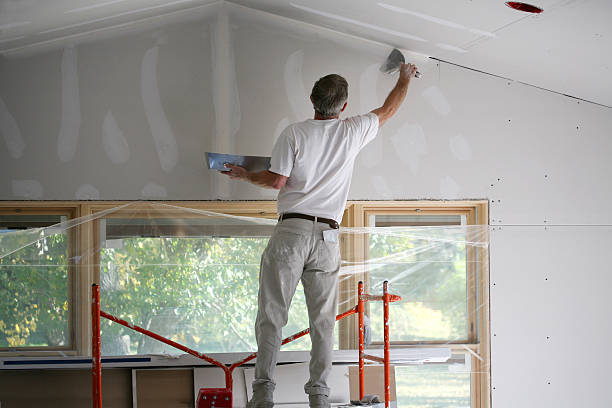
A quality drywall repair generally starts with preparing the damaged area. Loose material is removed, and the surface is cleaned so new materials can bond properly. Depending on the size of the damage, the repair may involve patching, replacing a section of drywall, applying joint compound, sanding, and priming.
The final stage is blending the repaired area with the surrounding wall. This means matching both the finish level and texture. Drywall finish levels range from Level 1 through Level 5, with higher levels providing a smoother surface for finished walls. The appropriate level depends on the wall’s intended appearance and finish.
Texture should also match the existing surface. Common drywall textures include orange peel, knockdown, skip trowel, and popcorn. Texture, primer, and paint should be considered together because an otherwise solid repair can remain visible if the finish does not match the existing surface.
Keeping Walls in Better Condition
Preventive care can reduce unnecessary drywall repairs. Avoid placing excessive pressure against walls, use door stops where needed, and address plumbing or roof leaks quickly. During routine home maintenance, inspect areas around windows, ceilings, bathrooms, and plumbing fixtures for unusual stains or changes in texture.
Ottumwa homes can have different drywall concerns depending on their age and construction. Older homes may experience settlement-related cracking, while seasonal changes in humidity can place additional stress on drywall joints and seams. If you notice damage that continues to worsen, arrange an evaluation rather than repeatedly covering the affected area.
Conclusion
Well-maintained drywall contributes to a clean, finished appearance throughout your home. Whether you are dealing with a small hole, visible crack, damaged joint, or moisture-related problem, identifying the cause and using the appropriate repair method matters. If your walls in Ottumwa, IA, show signs of damage, consider contacting IA Drywall to have the affected areas assessed and repaired before the problem becomes more difficult to correct.