
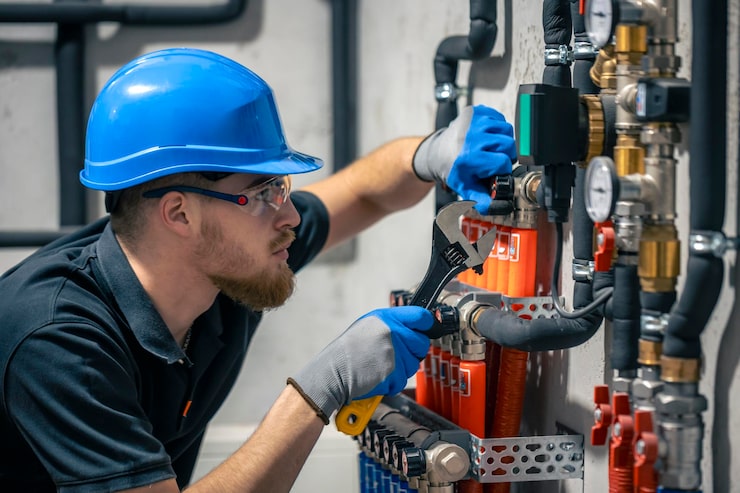
Whether you’re adding a bathroom, renovating a kitchen, or simply replacing an aging fixture, plumbing installation involves more moving parts (literally and logistically) than most homeowners initially expect. Here’s a clear picture of what’s actually involved.
Permits Are Usually Required, Even for Smaller Jobs
Most municipalities require permits for any plumbing work that involves new pipe runs, moving existing fixtures, or significant alterations to the existing system — not just major renovations. Simple fixture swaps in the same location (replacing a toilet with another toilet in the identical spot, for instance) often don’t require a permit, but anything involving new connections or relocated fixtures generally does. A licensed plumber will typically handle the permit process as part of the job, but it’s worth confirming this is included before work begins, since unpermitted plumbing work can create real problems if you ever sell the property.
Rough-In vs. Finish Plumbing: Two Distinct Phases
Plumbing installation for new construction or major renovation happens in two distinct stages. Rough-in plumbing involves running the actual supply and drain lines through walls and floors before any walls are closed up — this is the structural, behind-the-scenes work that determines where every fixture will ultimately connect. Finish plumbing happens after walls and flooring are complete, connecting the actual visible fixtures — faucets, toilets, sinks — to the rough-in connections already in place.
Understanding this two-phase process matters because it’s your last real opportunity to verify fixture placement before walls close up permanently. Any changes to fixture location after rough-in inspection passes become significantly more expensive, since they require reopening finished walls.
What Drives Installation Cost
The single biggest cost factor in any plumbing installation is whether you’re working within existing pipe routes or creating entirely new ones. Adding a bathroom in a location with no existing nearby plumbing requires running entirely new supply and drain lines, often through finished walls and floors, which involves considerably more labor than adding a fixture near an existing plumbing wall.
Material choices also affect cost meaningfully — copper piping costs more than PEX (cross-linked polyethylene), which has become the dominant choice in residential plumbing for its flexibility, lower cost, and resistance to the pinhole leaks that can develop in aging copper over decades.
Water Pressure and Drainage Planning
New fixture installation needs to account for the existing system’s overall water pressure and drainage capacity, particularly when adding fixtures to an older home’s existing plumbing infrastructure. A plumber should evaluate whether your home’s existing main line and water heater capacity can adequately support new fixtures before installation, rather than discovering inadequate pressure or hot water capacity after everything is connected.
Questions Worth Asking Before Work Begins
Confirm whether the quote includes permit fees and inspection scheduling, ask specifically what pipe material will be used and why, and clarify the timeline for rough-in inspection versus finish work completion — these stages often have a gap of days or weeks depending on inspector availability and other trades working in the same space (electrical and drywall, typically) between the two plumbing phases.
The Inspection Step Isn’t Optional
Rough-in plumbing typically requires a municipal inspection before walls can be legally closed up, confirming the work meets local code before it becomes inaccessible. Skipping or rushing this step to save time creates real risk — both for problems discovered later that require opening finished walls, and for complications during any future home sale when unpermitted or uninspected work surfaces during a buyer’s inspection.