
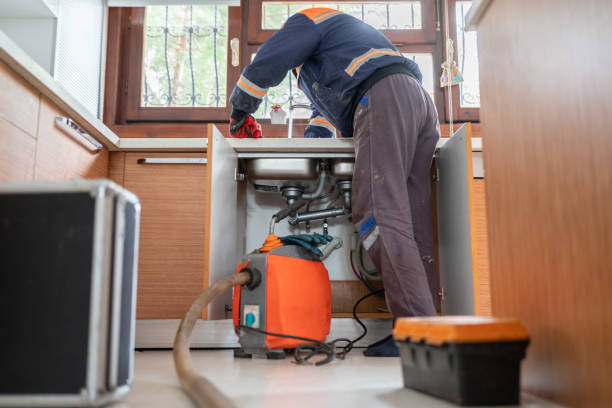
A slow-draining sink or a gurgling toilet might seem like minor annoyances. But when these issues become weekly occurrences, they usually signal a problem deeper in your main sewer line. Catching these issues early and choosing sewer and drain cleaning in Dallas, TX, at the right time are the best ways to save yourself a costly repair bill.
Dallas homes deal with a mix of aging infrastructure, tree roots, and heavy seasonal rainfall, all of which put extra stress on plumbing systems. Recognizing the pattern behind a recurring clog is the first step toward protecting your home from bigger damage.
Why Drains Clog More Than Once
A single clog is normal. Hair, grease, and food particles build up in pipes over time, and a plunger or drain snake often clears the issue. But recurring clogs are different. If a drain clogs again just days or weeks after you’ve cleared it, the problem is likely deeper in the line or caused by a structural issue that basic tools can’t fix. Common causes include:
●Grease and soap buildup that hardens along pipe walls.
●Tree roots growing into cracks in older sewer lines.
●Sections where the pipe has sagged (known as pipe belly) and created a low spot that traps water and debris.
●Foreign objects lodged further down the line.
Ignoring the underlying problem will only postpone the next backup, and often makes the eventual repair more expensive.
Warning Signs Homeowners Should Not Ignore
Plumbing systems usually give warning before they fail outright. Paying attention to smaller signals can help you act before a minor clog turns into a sewage backup. Below are some of the warning signs:
●Gurgling sounds coming from drains or toilets after use.
●Multiple fixtures draining slowly at the same time.
●Foul odors near floor drains, sinks, or the yard.
●Water pooling near the sewer cleanout, especially if it doesn’t drain away quickly after rain stops.
●Toilets that need repeated plunging to flush properly.
When more than one fixture is affected at once, the problem is almost never isolated to a single pipe. It usually points to a shared line further along the system. This is a strong reason to choose a professional rather than repeat DIY fixes.
Why Professional Cleaning Matters in Dallas
Dallas properties, especially older ones in established neighborhoods, often have clay or cast iron sewer lines that were not designed for modern water usage or the region’s expansive clay soil. That soil shifts with moisture changes, putting pressure on pipes and causing cracks that allow roots and debris to accumulate.
A licensed plumber uses tools such as hydro jetting and video pipe inspection to identify the actual condition of the line before recommending a fix. Hydro jetting clears grease, scale, and root intrusion with high-pressure water, while a camera inspection shows where the damage lies and how severe it is. This combination tells homeowners whether a simple cleaning will solve the issue or if pipe repair is needed.
Regular maintenance also matters here. It is vital to clean the drains periodically, especially before spring storm season, to avoid buildups that could lead to an emergency call to a plumber. Local plumbing crews familiar with Dallas soil conditions and older housing stock are better equipped to spot problems that a general inspection might miss.
Final Thoughts
If you have noticed any of these warning signs more than once, do not wait for the problem to escalate. A proactive call to a local plumber can save you from a disruptive and expensive emergency. Working with an expert in sewer and drain cleaning in Dallas, TX gives your pipes the best chance to last for a longer period of time.