
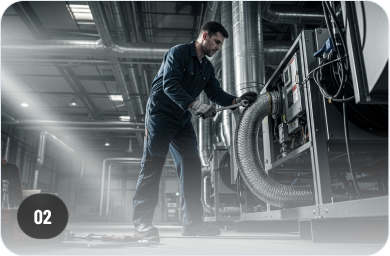
Most property owners think cleaning an air distribution system is as simple as shoving a vacuum hose down a vent and hoping for the best. If only it were that easy. As an HVAC technician who has spent countless hours crawling through attics, squeezing into drop ceilings, and peering into dark plenums, I can tell you that improper cleaning does far more harm than good. Punching holes through delicate flex ducts, tearing internal insulation, or blowing dust straight onto freshly painted walls are real risks with amateur methods. A proper, safe, and effective restoration requires a systematic engineering approach. It is about understanding fluid dynamics, managing static pressure, and treating your building like the complex living structure it is.
Decoding the Air System Diagnostics Before We Touch a Tool
A professional job never begins with high-pressure air hoses or spinning brushes. It starts with a comprehensive diagnostic evaluation. Before turning on any heavy equipment, a trained technician inspects the property’s entire mechanical footprint. We evaluate the static pressure levels across the blower assembly, check the physical condition of the supply and return trunks, and inspect the access doors for seal integrity.
We also take a close look at the duct material itself. Rigid sheet metal trunks require very different handling than fragile, wire-helix flexible ducting. Pushing an aggressive, rigid whip down a lightweight flex duct line can tear the inner vapor barrier instantly, pulling hot, filthy attic air straight into your living space. Identifying existing tears, loose mastic seals, or hidden moisture patches upfront lets us tailor the cleaning protocol so we can safely restore every component without structural damage.
Establishing Negative Pressure to Contain the Mess
The cardinal rule of duct restoration is absolute containment. You never want to dislodge debris inside a ceiling line unless you have guaranteed that every floating particle has only one direction to go: directly out of your building. We achieve this by creating localized negative atmospheric pressure throughout the entire HVAC loop.
To do this, technicians seal every supply register and return vent across the building with durable foam covers or specialized magnetic sheets. We then cut a dedicated access port into the main trunk line near the air handler and connect a massive HEPA-filtered negative air machine. When this machine kicks on, it pulls thousands of Cubic Feet per Minute of suction power through the sealed network. This turns your entire duct system into a low-pressure vacuum zone. Even if a microscopic speck of dust gets knocked loose ten rooms away, the overwhelming air velocity pulls it straight into the commercial collection unit, preventing any cross-contamination inside your living or working space.
The Science of Mechanical Agitation Inside the Branches
Once continuous negative pressure is established, the real extraction work begins. Suction alone rarely removes decades of compacted dust, pet dander, and sticky organic biofilms that adhere to the internal walls of your air distribution network. That is where targeted mechanical agitation tools come into play.
Starting at the furthest vent from the main air handler, technicians introduce specialized tools like pneumatic air whips, air skippers, and soft-bristled rotary brushes into each branch line. The high-pressure air streams whip around inside the pipe, dislodging stubborn grime from corners, dampers, and seams without scratching or puncturing the duct walls. Because the negative air machine runs simultaneously, it immediately sweeps dislodged particulate matter down the line into the main trunk and extracts it into the containment unit. Working systematically from the outer edges toward the central plenum guarantees that no section is missed or double-contaminated.
Protecting Sensitive Components and Coil Ecosystems
Proper system cleaning goes far beyond the long stretches of metal and plastic tubing overhead. The heart of your climate control system rests in the air handler unit, where the blower wheel, drain pan, and delicate aluminum fins of the evaporator coil sit. These components manage heat transfer and are highly prone to collecting moist, sticky dirt.
Cleaning these critical mechanical elements requires surgical precision. Technicians carefully scrub the evaporator coil fins with self-rinsing, non-acidic foaming cleaners that dissolve heavy buildup without corroding the metal. Technicians clear the blower motor and housing of compacted dust that can cause thermal overload and fan imbalance. Scheduling a Professional air duct evaluation ensures these sensitive heating and cooling components are handled with care, keeping your equipment running efficiently while eliminating hidden microbial breeding grounds.
System Verification and Restoring Thermal Equilibrium
After the technician dislodges, extracts, and collects the physical dirt, the job is far from finished. The final phase involves sealing all access openings, verifying airflow balance, and conducting a thorough post-cleaning inspection. We close every port cut into the sheet metal trunking with heavy-duty galvanized access panels, secure them with sheet metal screws, and seal them airtight with specialized duct mastic and foil tape.
We then remove all temporary vent covers, start the system, and take static pressure readings to verify that airflow velocity meets manufacturer specifications. Clean ducts reduce resistance inside the system, allowing the blower motor to push conditioned air effortlessly across every room. A final visual inspection with specialized snake cameras confirms spotless inner duct walls, tight seals, and a property ready to enjoy pristine indoor air quality.
Taking Control of Your Property’s Respiratory Health
Your HVAC system works tirelessly behind the scenes to keep your indoor environment comfortable, but it requires periodic, expert maintenance to stay safe and efficient. Relying on trial-and-error duct cleaning or skipping proper diagnostics invites air leaks, damaged equipment, and poor indoor air quality. Following strict industry protocols, maintaining strong negative pressure, and using precision agitation tools are the only proven ways to restore your air system without compromise. Don’t let hidden dust, allergens, and restricted airflow dictate your comfort or drive up your energy bills. Take a proactive step to protect your building’s health today by scheduling a comprehensive diagnostic evaluation with a certified technician, and experience the transformative difference of truly clean, balanced air.