
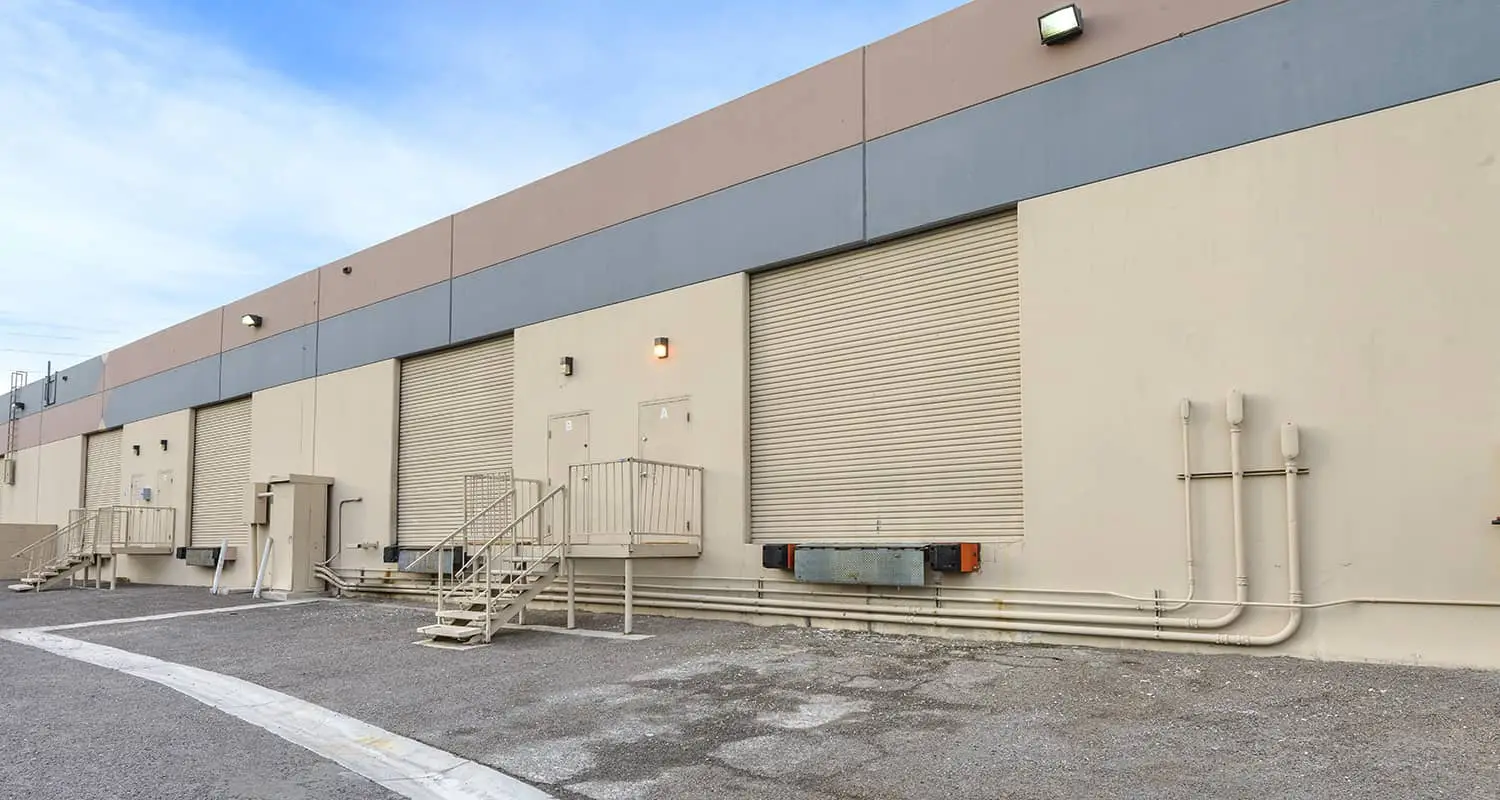
Commercial facilities house critical assets, expensive inventory, and sensitive operations that demand robust physical security. Modern enterprise infrastructure relies on high-performance industrial barriers to safeguard entry points against unauthorized access, harsh weather, and operational downtime. Installing heavy-duty commercial roll up doors provides facility managers with a space-saving, highly resilient defense system engineered for high-frequency daily operation. Beyond basic security, these physical assets enhance thermal efficiency, streamline logistical workflows, and reduce long-term property maintenance overhead.
Whether managing a bustling distribution hub, an auto repair facility, or a municipal warehouse, selecting the proper security barrier is paramount. This strategic guide explores how advanced overhead systems function, evaluates core structural materials, details essential selection criteria, and provides step-by-step guidance for professional integration.
Why Enterprise Facilities Depend on Commercial Roll Up Doors
Ground-level access points represent the primary target for unauthorized breach attempts and industrial accidents. Upgrading to specialized overhead closures protects operational continuity while delivering severe structural deterrence.
1. Structural Strength and Forced-Entry Resistance
Standard garage doors utilize horizontal panel joint configurations that can buckle under focused mechanical force. In contrast, security-grade continuous curtain designs interlock individual steel or aluminum slats into a rigid vertical barrier.
- Tamper-Proof Tracks: Continuous guide channels embed deeply into jamb walls, eliminating pry points along door perimeters.
- Wind-Load Resistance: Reinforced structural windlocks prevent door curtain blow-outs during severe storm events and extreme pressure differentials.
- Automated Deadlocking: Integrated mechanical locks engage automatically upon closure, disabling manual lifting from external access points.
2. Operational Efficiency and Space Optimization
In high-volume loading docks, floor space equates directly to revenue potential. Coiling door designs roll up neatly around an overhead shaft located directly above the structural lintel.
- Ceiling Clearance Preservation: Eliminating overhead horizontal tracks frees up vital room for ceiling-mounted HVAC ducts, fire suppression sprinklers, and lighting.
- Forklift Collision Mitigation: Overhead coiling storage keeps open door curtains safely out of the operational path of material handling equipment.
- High-Speed Actuation: Variable-frequency drive operators accelerate opening speeds, minimizing heat loss and reducing vehicle transit bottlenecks.
3. Thermal Isolation and Energy Conservation
Conditioned industrial spaces waste substantial energy through uninsulated loading bays. Insulated coiling models utilize dual-wall metal slats filled with dense polyurethane foam to maintain internal thermal zones.
Key Features to Evaluate Before Procurement
Selecting the appropriate commercial access system requires matching door hardware specifications against site-specific environmental conditions and usage cycles.
| Feature Category | Standard Sectional Door | Industrial Roll-Up Coiling Door |
|---|---|---|
| Space Requirement | Requires deep ceiling tracks | Compact overhead coil housing |
| Cycle Durability | Standard 10,000–25,000 cycles | High-performance 50,000–100,000+ cycles |
| Impact Resistance | Moderate panel deformation | Heavy-duty interlocking steel slats |
| Maintenance Profile | Multi-hinge, high-wear points | Minimal exposed mechanical joints |
| Security Rating | Standard entry protection | Heavy-gauge security barrier |
Material Grade Selection
The structural substrate determines the door’s resilience, weight, and environmental tolerance:
- Galvanized Steel: Provides superior structural strength and impact resistance at a cost-effective price point. Ideal for heavy manufacturing and warehousing.
- Architectural Aluminum: Delivers excellent natural corrosion resistance and lighter operational weight. Perfectly suited for coastal facilities, food processing plants, and commercial storefronts.
- Stainless Steel: Offers high chemical resistance and exceptional hygienic properties for pharmaceutical environments and specialized cleanrooms.
High-Cycle Motor Operators
Facility throughput dictates motor requirements. Standard commercial openers overheat during continuous usage cycles. Industrial-grade operators feature continuous-duty motors, oil-bath gear reducers, and mechanical solenoid brakes engineered for hundreds of daily operations without thermal shutdown.
Step-by-Step Implementation and Maintenance Strategy
Deploying heavy industrial doors requires precise mechanical alignment and rigorous safety protocols to guarantee long-term operational performance.
- Conduct Structural Opening Audit: Inspect the building jambs, header beam, and floor level. Ensure the surrounding wall structure can handle the intense dead-weight and operational torque of the coiling drum assembly.
- Mount Precision Guide Tracks: Install heavy-gauge steel wall angles and continuous curtain guides plumb and parallel to eliminate friction binding during door travel.
- Hoist and Balance Barrel Shaft Assembly: Position the internal torsion spring assembly overhead. Proper counterbalance spring tensioning is critical to avoid motor burnout and dangerous uncontrolled free-falls.
- Integrate Primary Safety Systems: Wire dual-photoelectric sensors and pneumatic edge sensors to stop and reverse door movement instantly upon detecting obstacles.
- Establish Routine PM Protocols: Implement quarterly preventive maintenance inspections focused on spring tension, cable wear, track lubrication, and emergency manual release testing.
Key Takeaways
- Maximum Physical Deterrence: Interlocking steel slat construction eliminates vulnerable seam joints and external pry points.
- Optimized Floor Planning: Compact overhead coiling action preserves ceiling height and keeps loading zones free of obstruction.
- Thermal Cost Control: Polyurethane-insulated slat cores protect internal temperatures and lower utility bills in climate-controlled spaces.
- High-Cycle Longevity: Heavy-duty drive systems reduce mechanical downtime and lower long-term facility maintenance costs.
Fortifying Your Enterprise Infrastructure
Investing in high-performance commercial roll up doors is an essential strategy for safeguarding industrial property, workforce safety, and supply chain continuity. Combining heavy-gauge materials, precision counterbalancing, and smart access controls transforms basic building perimeters into impenetrable, efficient operational gateways. Selecting certified hardware matched to your operational cycle demands ensures your commercial facility remains secure, compliant, and productive for years to come.