
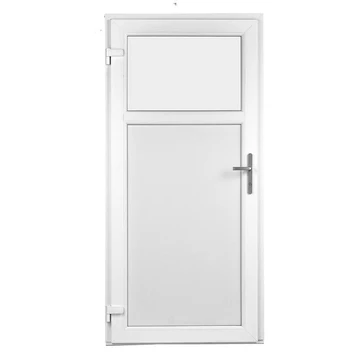
How to choose a front door that suits the house, the climate and the way people live in Denmark
A front door has a bigger role than many homeowners realise. It is the first thing people meet when they arrive, but it is also one of the most used parts of the home. It protects the entrance, keeps out wind and cold, supports daily routines and helps define the look of the façade. A well-chosen front door can make a house feel more welcoming, more secure and more complete.
For anyone renovating, upgrading or replacing an old entrance, front doors for Danish homes should be chosen with both function and appearance in mind. Danish houses are exposed to changing weather, including rain, frost, wind, humidity and strong seasonal contrasts. A front door must therefore be more than attractive. It must be stable, well insulated, easy to maintain and suitable for daily use.
The right front door depends on the type of property. A modern villa may need a clean and simple design. A summer house may need a practical, low-maintenance door that handles long periods without much attention. A townhouse may require a design that fits closely with neighbouring façades. In all cases, the best front door is one that suits the building, the entrance area and the life taking place behind it.
The front door as part of the home’s first impression
The front door is a central part of the exterior design. It can make a home look calm and balanced, or it can become a visible design feature that gives the entrance character. The choice of colour, glass, panel design, handle and frame all affects how the house is perceived from the outside.
In many Danish homes, a simple and functional front door is often the best choice. Clean lines, neutral colours and well-proportioned glass panels can work beautifully with brick houses, rendered façades, townhouses and modern family homes. A door does not need to be dramatic to be effective. Sometimes, the most successful front door is the one that looks as though it has always belonged to the house.
For older homes, proportions matter. A very modern door can look out of place on a traditional house if the rest of the façade has classic details, small-paned windows or historic character. In these cases, a more restrained design, divided glass or a door with a traditional panel structure may feel more natural.
For newer homes, the design can often be more minimal. A front door with a narrow vertical glass panel, a smooth surface and simple hardware can create a modern entrance without becoming too dominant. If the windows are also simple and contemporary, the front door should usually follow the same design language.
The area around the front door also matters. Outdoor lighting, house number, mailbox, steps, plants and paving all contribute to the overall impression. A new front door can lift the whole entrance, but the result becomes stronger when these smaller details work together.
Why material choice matters in Denmark
The Danish climate places real demands on exterior doors. Rain, wind, frost, sun and humidity can all affect the door over time. This makes material choice important, especially for front doors that are not protected by a porch, canopy or deep roof overhang.
Timber doors have a classic and warm appearance, and they can be a very good choice for many homes. They are especially suitable for traditional houses where the original style should be preserved. However, timber requires maintenance. The surface must be kept in good condition to protect the door against moisture.
uPVC doors are often chosen for their low maintenance. They do not need regular painting and are resistant to moisture in a way that makes them practical for many ordinary homes and summer houses. A uPVC front door can usually be cleaned with mild soapy water, while hinges, locks and seals only need occasional attention.
Composite and aluminium-based doors can also be relevant depending on the style and budget. They may offer strong performance, modern design and good durability, but often at a higher price level. The right choice depends on how much maintenance the homeowner wants, how exposed the entrance is and what visual expression suits the property.
For many Danish homes, low maintenance is a major priority. Homeowners often want a front door that stays presentable without regular sanding, painting or repairs. This is especially true for summer houses and busy family homes, where practical performance matters every day.
Material should never be judged alone. The full construction is what counts. A good front door needs reliable seals, stable hinges, proper glazing, suitable insulation and a strong locking system. Even the best material can perform poorly if the door is badly made or installed incorrectly.
Glass in the front door: light, privacy and design
Glass can make a front door more inviting and practical. Many Danish entrance halls are relatively small or dark, and a glass panel can bring natural light into the space. This can make the entrance feel warmer, more open and more pleasant to use.
The amount of glass should be chosen carefully. A small glass panel near the top of the door can provide light while preserving privacy. A narrow vertical glass panel can create a modern look and bring more daylight into the hallway. Larger glass panels can make the entrance feel bright and open, but they may not be ideal where privacy or security is a concern.
Frosted or patterned glass is often a good solution for front doors. It allows daylight to enter while reducing direct visibility into the home. This is especially useful when the door faces a road, neighbour, shared path or pavement. Clear glass works best where the entrance is more private or sheltered.
The position of the glass should also be considered in relation to the lock. If glass is placed close to the locking area, safety and security glass may be worth considering. The goal is to bring in light without creating an unnecessary weak point.
Glass style also affects the appearance of the house. A door with divided panes can suit a traditional home or summer house. A single clean glass panel may suit a modern villa. A fully closed door can feel more private and solid, which may be ideal in exposed urban locations.
The best glass choice balances four things: daylight, privacy, security and style. When that balance is right, the front door improves both the outside appearance and the indoor experience.
Insulation and comfort at the entrance
A front door is part of the building envelope. It separates the heated home from the outdoor climate, so it has a direct effect on comfort. An old or poorly fitted door can cause draughts, cold floors and heat loss around the entrance.
In Denmark, where winters can be damp and windy, a well-insulated front door can make a noticeable difference. The entrance hall may feel warmer, the door may close more quietly, and the home may feel better protected from bad weather.
The insulation performance depends on the whole door. The panel, frame, glazing, seals, threshold and installation all work together. It is not enough to look only at the glass or only at the door leaf. A door with good materials can still perform badly if it is not fitted correctly.
The threshold is especially important. A low threshold can make access easier for children, older residents, prams and shopping bags, but it must still protect against rain, wind and cold air. The area outside the door should allow water to drain away, not collect against the entrance.
Seals also need attention. They must make even contact with the frame when the door is closed. If the seals are damaged, dirty or compressed, draughts can appear. A door that closes tightly and evenly will usually feel more comfortable in daily use.
A multi-point locking system can help the door pull firmly against the frame. This can improve both security and draught protection. If the door only closes properly when pushed hard, adjusted or lifted, something is wrong. A good front door should work smoothly without force.
Security starts with the complete entrance
Security is one of the most important reasons to choose a quality front door. The main entrance must be easy for the household to use, but difficult for unwanted visitors to open. That requires more than a strong lock.
The door leaf, frame, hinges, strike plate, cylinder, handle and installation all influence security. A strong cylinder is useful, but it will not solve problems caused by a weak frame or poor fitting. Security should therefore be viewed as a complete system.
A multi-point lock is often a good feature for front doors. It secures the door at several points along the frame, which can make it more resistant to forced entry. It can also help the door close more evenly, improving comfort as well as protection.
The lock cylinder should match the needs of the household. Some homeowners want high-security cylinders with protection against drilling, picking or uncontrolled key copying. Others want a simpler solution where the same key can be used for several doors, such as the front door, utility door and garage.
Hardware should be durable and suitable for exterior use. Handles and fittings are touched every day, so they should feel stable and comfortable. A loose handle or stiff lock can quickly make even a good door feel unreliable.
For homes with children, elderly residents or frequent visitors, the door must also be easy to operate. Security should not make daily life difficult. The best solution is secure, but also smooth, logical and natural to use.
Front doors for family homes, townhouses and summer houses
Different types of Danish properties place different demands on front doors. A detached family home often allows more freedom in design. The door can be chosen to suit the façade, windows and personal preference. In this setting, comfort, security and everyday usability are usually the main priorities.
A townhouse or terraced home may have more visual limitations. The door may need to match neighbouring properties or comply with rules from an owners’ association. Here, it is especially important to check colour, design and material requirements before ordering.
A summer house has another rhythm of use. It may stand empty for long periods and then be used intensively during weekends or holidays. A front door for a summer house should therefore be low-maintenance, secure and resistant to changing weather. If the house is near the coast, wind and moisture can be particularly demanding.
If the summer house is used all year, insulation becomes important. Many Danish holiday homes are no longer used only in summer. They may be heated during autumn, winter and spring, which means the front door should perform well in colder weather too.
In a rental property or holiday rental, durability and easy maintenance are especially valuable. The door may be used by many different people, and not everyone will treat it carefully. A practical, robust and easy-to-clean front door can reduce maintenance problems over time.
The key is to choose according to real use. A door for a main family entrance, a quiet holiday home and a shared townhouse entrance should not necessarily be the same. Each setting has its own practical needs.
Measuring before ordering a front door
Accurate measurement is essential when replacing a front door. A door must fit the opening, but there must also be enough space for adjustment, fixing, insulation and sealing around the frame.
The wall opening should be measured in several places. Measure the width at the top, middle and bottom. Measure the height on both sides and preferably in the middle as well. Older houses may have uneven openings, and even small differences can matter.
It is important to distinguish between the wall opening and the external frame size. The frame size must be smaller than the opening so the door can be installed correctly. If the door is ordered too large, installation may become difficult or impossible. If it is too small, sealing and finishing may become harder.
Opening direction must also be confirmed. Should the door open inward or outward? Should the hinges be on the left or right? These details can be misunderstood when ordering online. A simple sketch showing the door, handle and hinge side can help prevent errors.
The space around the door should also be assessed. Will an inward-opening door hit a radiator, cupboard, staircase or furniture? Will an outward-opening door be exposed to wind or blocked by steps, plants or a narrow entrance area?
Good preparation reduces the risk of extra costs and delays. When measurements and opening direction are checked carefully, the ordering process becomes much safer.
Installation and long-term performance
A front door only performs properly when it is installed correctly. The frame must be level, square and plumb. If it is twisted or fixed under tension, the door may bind, leak air or become difficult to lock.
The frame must be securely fixed to the surrounding structure. The door leaf should hang correctly, and the gaps around it should be even. The lock should engage smoothly, and the seals should make proper contact all the way around.
The joint around the frame must be insulated and sealed correctly. Outdoor sealing should protect against wind and rain. Indoor sealing should help prevent warm, moist indoor air from entering the construction. Poor sealing can cause draughts, water ingress or hidden moisture problems.
The threshold area deserves special attention. Water should drain away from the entrance, not collect near the door. If exterior paving, steps or decking sit too high, they can increase the risk of moisture problems.
After installation, the door should be tested carefully. It should open and close without force. The lock should work smoothly. The handle should feel stable. There should be no visible gaps or draughts.
Professional installation is often worthwhile for front doors, especially if the entrance is visible, the door is heavy, or the building is older. A skilled DIY installer may handle simpler replacements, but accuracy is essential.
Maintenance for a front door that lasts
Every front door needs some maintenance, but the amount depends on the material. Timber doors need regular surface care, while uPVC and many other modern materials require less work. Even low-maintenance doors still benefit from simple checks.
The door surface should be cleaned a few times a year. Mild soapy water is usually enough for uPVC. Abrasive cleaners, strong solvents and hard brushes should be avoided, as they can damage the surface.
Seals should be kept clean and flexible. Dirt can prevent them from closing tightly, and damaged seals can lead to draughts. Hinges, handles and locking points should be checked and lubricated according to the manufacturer’s guidance.
Drainage openings, where present, should remain clear. If dirt, insects or leaves block them, water may collect in places where it should not. This is especially relevant for doors exposed to rain and wind.
A simple maintenance routine can include:
- Cleaning the door and frame
- Checking seals for damage
- Lubricating hinges and locking points
- Keeping drainage openings clear
- Adjusting the door if it begins to bind
Small maintenance tasks can extend the life of the door and keep it pleasant to use. They also help preserve security, insulation and appearance.
A front door that feels right every day
A good front door does not need to shout for attention. It should feel right every time it is used. It should open smoothly, close securely, keep out draughts and suit the look of the home. When it does these things well, it quietly improves daily life.
For Danish homes, the front door must be chosen with the climate in mind. It needs to handle moisture, wind and changing seasons while still looking presentable. It should also support the routines of the people living behind it, from busy weekday mornings to quiet evenings and holiday stays.
The right choice depends on the house, the entrance and the level of maintenance the homeowner wants. Glass, colour, material, lock, threshold and installation all play a role. None of these details should be treated as an afterthought.
When the front door is selected carefully, it becomes more than an entrance. It becomes part of the home’s comfort, security and identity. It welcomes people in, protects what matters and helps the house feel complete.